
Blog
Slug Discharge Control Plans: What Texas Industrial Users Must Have on File
Most Texas industrial facilities find out about this requirement too late. See what a Slug Discharge Control Plan needs and when to start it in design.
Quick Answer
A Slug Discharge Control Plan is a written document required under the EPA National Pretreatment Program at 40 CFR Part 403 that identifies where a facility could produce a sudden, non routine discharge capable of interfering with a Publicly Owned Treatment Works, and describes the physical controls and procedures in place to prevent it. In Texas, TCEQ oversees the state’s approved local pretreatment programs, but the city or utility that owns the treatment plant is the actual control authority that decides which industrial users need a plan, writes it into the industrial wastewater permit, and inspects for it. Significant Industrial Users and Categorical Industrial Users are the most common candidates, along with any facility the local POTW believes has the potential to cause interference or pass through regardless of size. The plan should be developed during design, not after the city asks for it, because the containment, equalization, and shutdown controls it describes usually have to be built into the facility itself.
Why the City Cares About Discharges That Aren’t in Your Permit
Your industrial wastewater permit is written around a routine discharge, meaning the volume, strength, and chemistry your facility produces on a normal operating day. The treatment plant receiving that discharge is designed around those same numbers, and for a biological treatment plant, that design assumption matters more than people expect. The microorganisms doing the actual treatment work need a fairly steady diet. A sudden departure from that baseline, whether it’s an accidental chemical release, a batch process dumped to the sewer instead of metered out, a tank cleanout that sends concentrated residue down the drain, an equipment failure, a spill reaching a floor drain, a pH excursion, or a high-strength organic load from a production upset, can knock the biology out of balance or push pollutants straight through the plant untreated.
That’s the difference between a routine discharge and a slug discharge. One is what your permit expects. The other is what your permit, and the plant, cannot absorb without a problem. The Slug Discharge Control Plan exists to keep that second category from happening in the first place, and to shorten the response time on the rare occasion prevention doesn’t work.
How the Federal Rule Actually Reaches Your Facility
The requirement originates with 40 CFR Part 403, the regulation that establishes the EPA National Pretreatment Program nationwide. Under Part 403, the control authority overseeing a treatment plant is required to evaluate each Significant Industrial User for the potential to cause a slug discharge, and where that potential exists, build the applicable slug control requirements directly into the industrial user’s control mechanism, which in practice means your industrial wastewater permit.
Texas administers this through a layered structure that’s worth understanding clearly, because it determines who you actually talk to. TCEQ sets the state framework and approves the local pretreatment programs that individual cities operate, functioning as the oversight and audit layer. The city or utility that owns the treatment plant is the control authority in the day to day sense: it holds the TCEQ approved local pretreatment program, issues your industrial wastewater pretreatment permit, enforces its own sewer use ordinance, and decides whether your facility needs a Slug Discharge Control Plan. TCEQ rarely shows up at your facility. The city’s pretreatment coordinator does.
Who the Local Program Is Going to Ask About
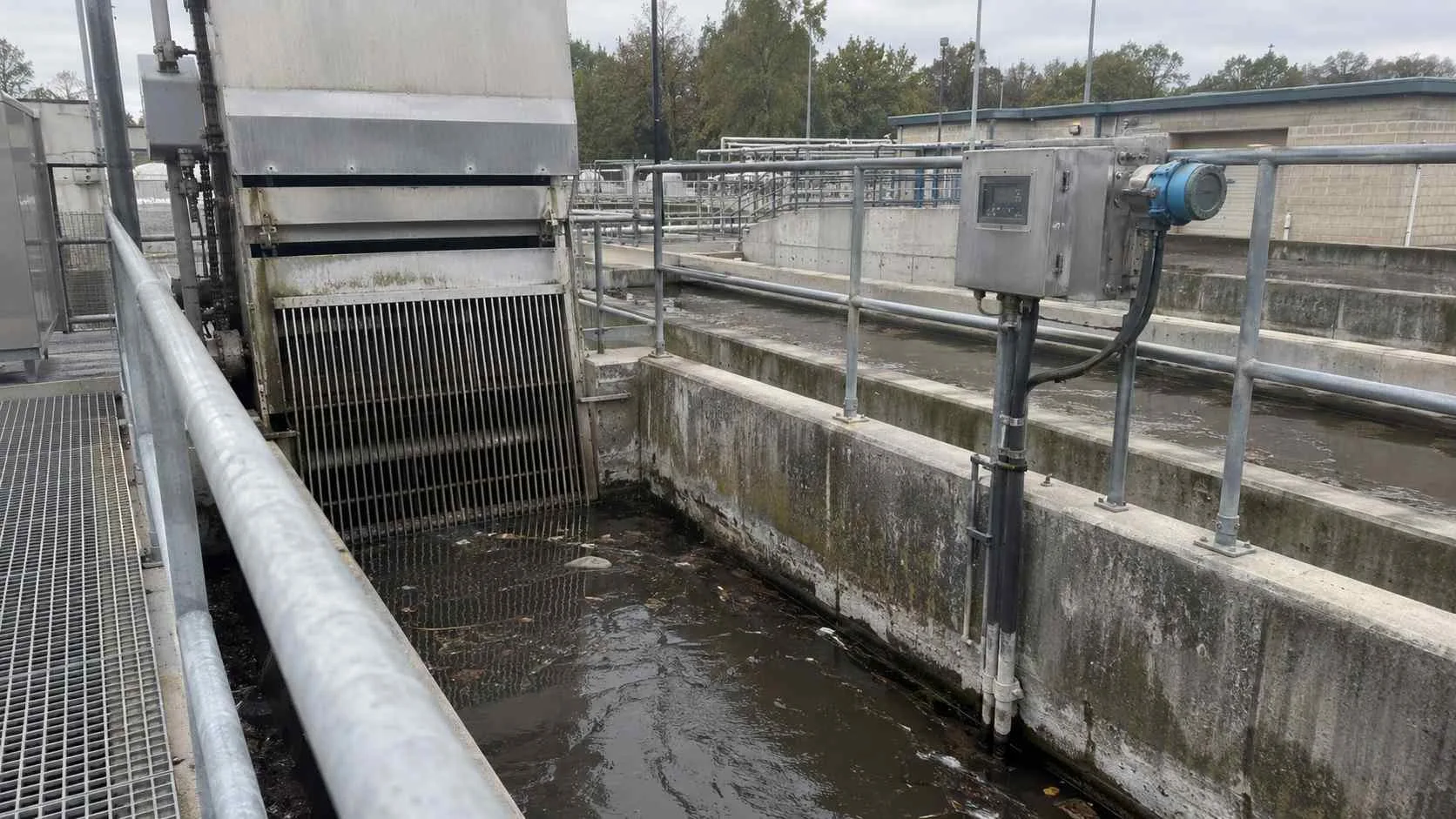
Significant Industrial User status is the trigger most often cited, and it applies if you’re a Categorical Industrial User subject to national pretreatment standards, if you discharge 25,000 gallons per day or more of process wastewater, or if your discharge represents 5 percent or more of the POTW’s design hydraulic or organic capacity. The category people miss is the fourth one: the local control authority can designate any facility as significant, regardless of flow, if it determines the discharge has a reasonable potential to cause interference, pass-through, or an operational upset. A smaller facility with a concentrated chemical inventory or a batch process can land in this category even without high flow volume, so the honest answer to “do I need one” usually requires a direct conversation with the city’s pretreatment staff rather than a flow calculation alone.
What a Plan the City Will Actually Accept Looks Like
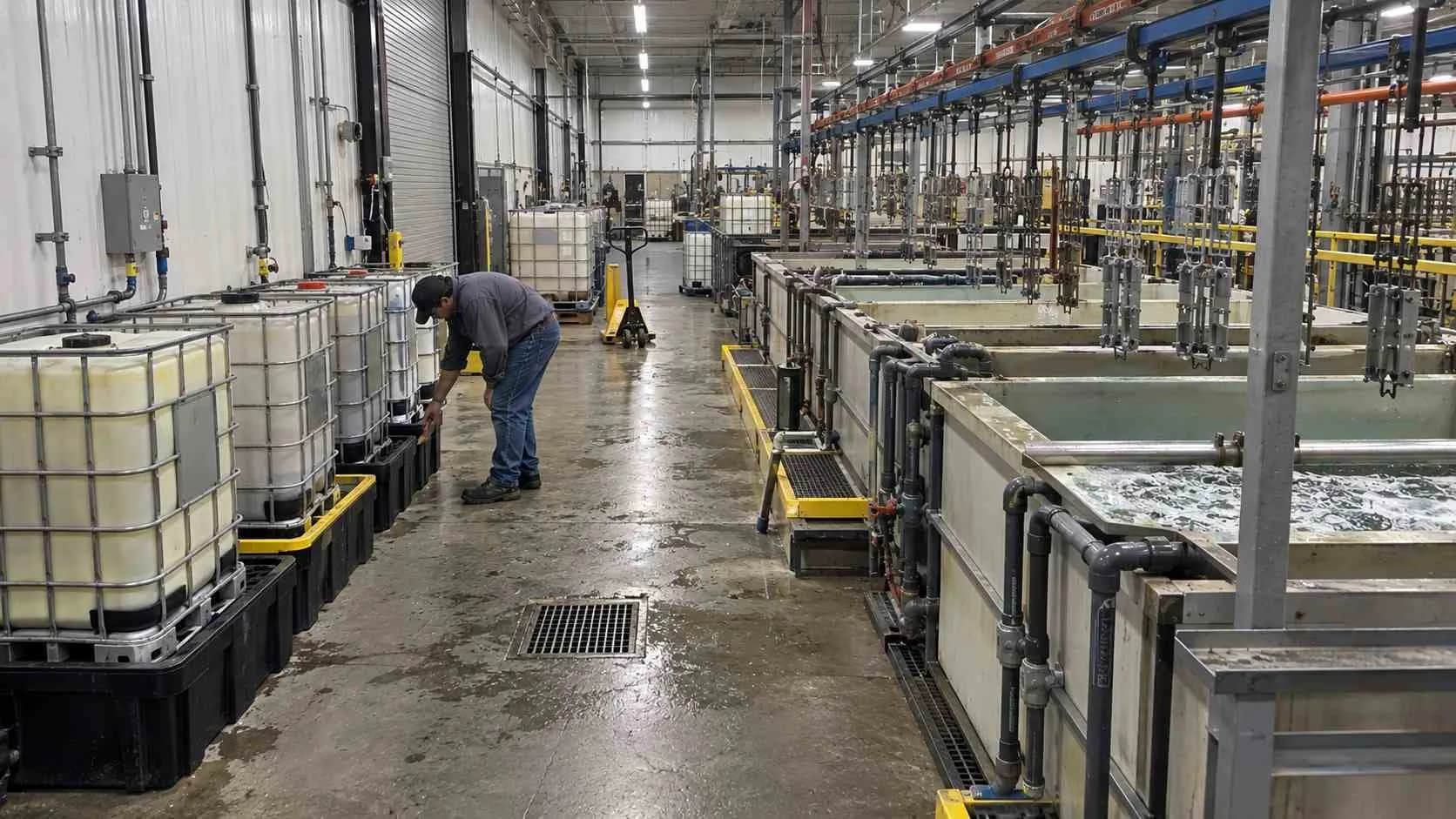
An effective plan reads as an engineering document that matches what an inspector sees on your floor, not a template filled in from memory. It opens with a facility process description that shows how wastewater is generated and where it goes, then identifies the specific points in that process capable of producing a slug, whether that’s a chemical storage area near a floor drain, a batch reactor, or a tank cleanout station. From there it details your chemical storage inventory and the secondary containment protecting it, the spill prevention measures and batch discharge controls you’ve put in place, and the emergency shutdown procedures your operators can execute quickly if something starts going wrong.
The procedural half matters just as much as the physical controls. The plan needs to spell out employee training, internal notification steps that move information up the chain immediately, and the immediate notification to the POTW your permit or sewer use ordinance requires when an event occurs, followed by written follow-up reporting. Recordkeeping and a periodic review schedule close it out, so the plan stays current as your process changes rather than describing a facility that no longer matches reality. Many Texas POTWs write this plan into the industrial wastewater permit directly and pull it during routine inspections, which is exactly why it needs to hold up under scrutiny rather than just exist on paper.
Where This Comes Up Most Often
Some sectors run into the slug discharge conversation almost automatically because of what they store or how their process wastewater behaves. Food processing and beverage manufacturing generate high strength organic loads and heavy cleaning chemistry. Chemical, pharmaceutical, and metal finishing operations carry concentrated inventories and batch processes almost by definition. Semiconductor and electronics manufacturing bring concentrated process chemicals and pH sensitivity. Concrete products operations produce high pH washwater. Industrial laundries deal with variable surfactant and solvent loads, oil and gas support facilities handle hydrocarbons and produced water, and distribution centers running fleet or equipment wash operations often don’t realize their washdown water is regulated at all until the city flags it. If your operation falls into any of these categories and you’re planning a discharge to a Texas POTW, assume the question is coming.
Designing the Facility So the Plan Rarely Gets Used
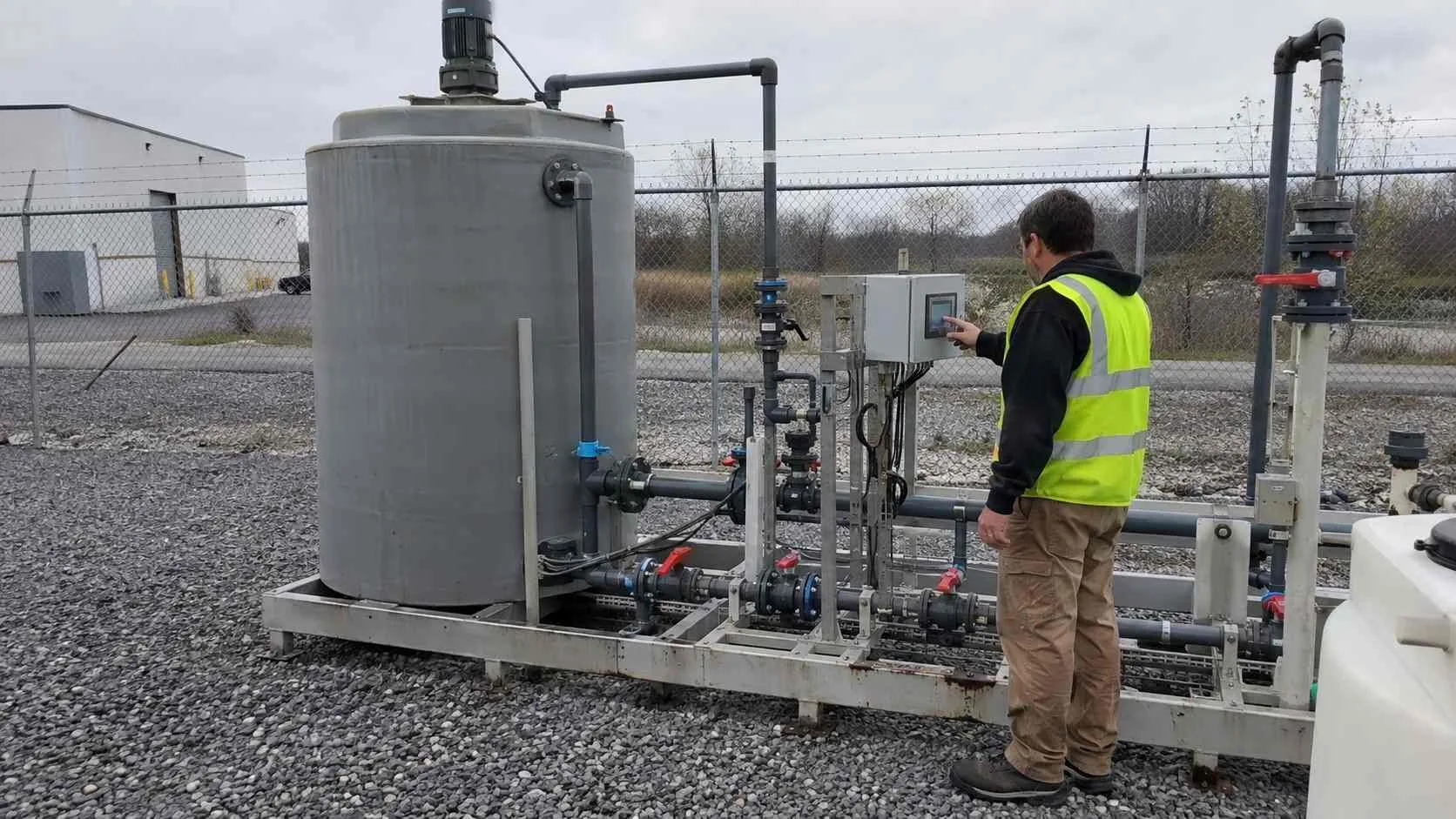
The strongest Slug Discharge Control Plan is one you almost never have to invoke, and that comes down to engineering decisions made during design rather than procedures written after the fact. An equalization tank buffers flow and strength so a batch or surge blends down before reaching the sewer instead of hitting it as a spike. Automated pH control neutralizes acidic or caustic streams and holds discharge when readings drift outside the permitted range, backed by chemical feed interlocks that shut dosing down on a detected fault. Flow monitoring with alarms catches an abnormal discharge as it’s happening, isolation valves let an operator cut a line immediately, and emergency storage capacity gives you somewhere to divert an off spec batch instead of sending it downstream. Where the underlying issue is strength rather than volume, pretreatment equipment sized to your actual constituents keeps your routine discharge within permit limits with real margin, which reduces how often you’re operating close to the edge of what a small upset could push over.
What Happens When the Plan Isn’t There
A missing or inadequate plan isn’t a paperwork gap, it’s an enforcement and operational exposure. It’s a violation of your industrial wastewater permit and the local sewer use ordinance, and it invites enforcement action, more frequent inspections, and fines under the control authority’s local rules. A real slug event without adequate controls in place can damage the treatment plant, disrupt your own operations while you deal with the fallout, and generate emergency response costs that dwarf what the engineering controls would have cost upfront. For a facility still working through permitting, a plan the city rejects is a direct, avoidable source of project delay. Prevention is consistently cheaper than corrective enforcement, and that math doesn’t change no matter how the individual event plays out.
Frequently Asked Questions
I am building a food manufacturing facility near Dallas, Texas, and the city told me I need a Slug Discharge Control Plan before approving my industrial sewer connection. What should the plan include, and can an engineering firm prepare it as part of my wastewater pretreatment permit application?
Yes, and the Slug Discharge Control Plan and the wastewater pretreatment permit application should be developed together rather than separately. For a food manufacturing facility, the Slug Discharge Control Plan needs to map every wastewater generating process, then flag the specific risks that come with food production: high strength organic loads, clean in place caustic and acid systems, and batch discharges from tank cleanouts. The plan also needs a chemical storage inventory, secondary containment, spill prevention and batch discharge controls, emergency shutdown steps, employee training, internal and POTW notification procedures, written follow-up reporting, recordkeeping, and a review schedule. Because Dallas-area cities tie the Slug Discharge Control Plan directly to the industrial wastewater permit, preparing both documents as one coordinated package with an engineering firm keeps the submittals consistent and avoids the back-and-forth that slows a connection approval down.
Our manufacturing facility in Collin County occasionally performs large equipment washdowns that discharge high strength wastewater to the sanitary sewer. Could those washdowns be considered slug discharges, and what engineering controls can reduce our compliance risk?
Equipment washdowns could be considered slug discharges, depending on the volume and strength that actually reaches the sewer and how that volume and strength compares to the facility’s permit limits, which is worth characterizing directly rather than assuming. If the washdowns are periodic surges rather than steady flow, an equalization tank that blends and meters the discharge at a controlled rate addresses the core problem. Flow monitoring with alarms catches an abnormal washdown discharge as it happens, isolation valves let an operator stop the discharge, and containment around the washdown area keeps runoff from reaching a floor drain uncontrolled. If wastewater strength rather than discharge rate is the underlying issue, pretreatment equipment sized to the facility’s specific constituents may be the better fix. Either way, documenting the washdown procedure inside the facility’s Slug Discharge Control Plan, with clear operational steps and training attached, addresses both the engineering risk and what the city expects to see on paper.
We are planning a new industrial development in Texas that will discharge process wastewater to the city’s POTW instead of building a private treatment plant. At what stage of design should we prepare our Slug Discharge Control Plan so it does not delay permitting or construction?
The Slug Discharge Control Plan should be prepared during preliminary and design development, well before construction documents are finalized. The Slug Discharge Control Plan drives physical decisions, containment, equalization, isolation valves, emergency storage, that need to be reflected on the project’s drawings, not retrofitted onto the facility after construction begins. The practical sequence is to engage the city’s pretreatment coordinator early to confirm the facility’s likely SIU classification, characterize the project’s process wastewater during design, and develop the Slug Discharge Control Plan in parallel with the wastewater pretreatment permit application so the physical controls land in the construction documents the first time. Handled this way, the Slug Discharge Control Plan supports the project’s connection approval instead of becoming the reason the connection approval stalls.
Our facility has been classified as a Significant Industrial User (SIU) by the local POTW. How does that affect our pretreatment permit, inspections, reporting requirements, and the need for a Slug Discharge Control Plan?
SIU classification raises the oversight level across the facility’s entire wastewater operation. An SIU holds an individual industrial wastewater permit with local limits specific to the facility’s discharge, and the control authority is required to evaluate every SIU for slug discharge potential, which is typically what triggers the Slug Discharge Control Plan requirement. SIU status also brings regular compliance inspections, where the city checks the facility’s physical controls and recordkeeping against what the permit and the Slug Discharge Control Plan describe, plus periodic self monitoring and reporting on the city’s schedule. The Slug Discharge Control Plan becomes a living document that the city reviews and that the facility updates as its process changes. Treating the permit, the monitoring program, and the Slug Discharge Control Plan as one connected compliance system, rather than three separate obligations, is what keeps all three consistent when an inspector is standing in the facility.
I need an engineering firm in Texas that understands industrial pretreatment permits, POTW discharge requirements, wastewater system design, and Slug Discharge Control Plans for manufacturing facilities. What qualifications should I look for, and how can MES help streamline the permitting process?
The right engineering firm works across three areas at once: the regulatory framework under 40 CFR Part 403 and TCEQ’s approved local pretreatment program structure, direct coordination with POTW pretreatment staff, and the design work behind equalization, pH control, containment, and pretreatment equipment that actually keeps a facility compliant. A firm strong in only one of those areas leaves a gap in one of the other two. MES brings the regulatory understanding, the POTW coordination, and the wastewater system design together as one process, so the facility’s pretreatment permit application, its Slug Discharge Control Plan, and its facility design move in parallel instead of becoming three separate delays stacked on top of each other.
Related Resources
- Texas Wastewater Pretreatment Permits: What Industrial Facilities Discharging to a POTW Must Know
- How TCEQ Sets Effluent Limits: Understanding Receiving Water Quality Standards and Permit Conditions
- Why Your Site Civil Engineer Isn’t the Right Person to Lead TCEQ Permitting
- Land Application Permits in Texas: A Faster Path to Wastewater Approval for Developers
Need a Slug Discharge Control Plan for a Texas Industrial Facility?
MES works with industrial developers, manufacturers, food and beverage processors, and EPC contractors across Texas to prepare Slug Discharge Control Plans, secure industrial wastewater pretreatment permits, coordinate directly with POTW pretreatment programs, and design the pretreatment systems that keep facilities compliant from day one.
We specialize in:
- Slug Discharge Control Plan development for Significant Industrial Users and Categorical Industrial Users
- Industrial wastewater pretreatment permit applications and POTW coordination across Texas
- Pretreatment system design, including equalization, pH control, and containment engineering
- SIU classification review and compliance strategy for manufacturing and industrial facilities
- Chemical storage, secondary containment, and spill prevention engineering for industrial sites
- Wastewater discharge compliance planning integrated with facility design and permitting timelines
Modern Engineering Solutions, McKinney, Texas. Contact: (214) 833-6748 or mod-eng.com
Keep reading
More to read.
Talk to an engineer
Tell us about your project.
An engineer reads it
Not a salesperson. Someone who can tell you whether the pathway is real.
You get a first answer
Your options, the agencies involved and the questions that decide cost and schedule.
You decide
No commitment to have the first call.
Prefer the phone? (214) 833-6748